

Welcome to Elevate Essentials!
This is your go-to spot for news and information on everything you need inside of SLP Elevate, updated throughout the month to keep you in the know! Come here anytime to stay up to date on what’s new - whether it’s the latest bonus resources, upcoming PD sessions, or key updates for Elevate members. Think of this page as your one-stop space to keep you connected, organized, and in the loop.












🔎 October Favorites & Mystery Must-Haves 🔎
October is the perfect time to lean into topics that feel mysterious, intriguing, and a little unexpected! Whether your students are into strange mysteries, fall favorites, candy, monsters, or all things pumpkin, we’ve gathered some of our favorite October resources to keep therapy engaging and easy to plan.
Start on your My Resources page with these Monthly Theme Units:
🔎 Autumn: Fright or Fiction? (October 2026)
Our brand-new October unit taps into the mysteries, strange-but-true events, eerie settings, and unexplained phenomena that naturally grab older students’ attention. Use these activities to work on inferencing, predictions, drawing conclusions, identifying evidence, perspective-taking, problem solving, figurative language, tone, mood, and more, all without turning therapy into a Halloween lesson.
🍬 Candy
October and candy just go together! This unit gives you an easy, age-respectful way to bring a seasonal topic into therapy while targeting a variety of speech and language goals. Perfect for students who love talking about favorite treats, flavors, brands, and all things sweet.
🎃 Explore the Hype: Trends
Pumpkin spice everything, anyone? Pull this unit back out to explore trends, fads, and what makes something suddenly seem like it’s everywhere. It’s a fun fit for fall while giving students opportunities to think critically, share opinions, make connections, and support their ideas.
👹 Monsters
Add a little spooky without going full Halloween! The Monsters unit brings in creatures, legends, and imaginative topics that can spark discussion and keep older students engaged while you continue working toward their speech and language goals.
Then head over to the Bonus Page for even more October-ready resources:
🍂 Autumn Debates
Is raking leaves fun or a chore? When should the fall menu disappear and the winter menu take over? These lighthearted seasonal debates give students plenty to talk about while practicing perspective-taking, reasoning, supporting opinions with evidence, and flexible thinking.
🧟 Halloween: Zombies Mini Unit
Looking for something a little more Halloween-specific? Grab the Zombies Mini Unit for an engaging seasonal option that still lets you keep speech and language goals front and center.
📅 Calendar Companions
Don’t forget about Calendar Companions! These resources highlight holidays and important dates each month and include follow-up questions that get students working directly with a calendar. They’re an easy way to practice functional language, comprehension, sequencing, time concepts, and executive functioning throughout October (and all year long).
Whether your students want to investigate a mystery, debate a fall favorite, talk candy, explore monsters, or figure out what’s coming up next on the calendar, these October resources make it easy to bring the season into therapy without spending hours searching for what to use. 💜

✨ A little reminder about the SLP Elevate Referral Program…
Sharing SLP Elevate with a colleague just got even more fun… and more rewarding. 💜
Here’s the new lineup:
1 referral → $10 Starbucks gift card ☕
2 referrals → Speech Time Fun merch 📔
3 referrals → FREE ticket to a Speech Time Fun Speech Retreat Virtual Conference (ASHA CEUs!) 🎉
4+ referrals → FREE month of SLP Elevate 💻
Know a CF who needs support? A coworker who wants better materials? A fellow SLP who would love this community? Send them our way! When they list your name on the onboarding survey, you get the credit - and the perks.
There’s no limit, so refer away. We’re so grateful for every recommendation and connection you help create.

🔎 October 2026 – Autumn: Fright or Fiction? Mysteries, Suspense & Strange-but-True Stories 🔎🕵️✨
Mysteries, strange events, unexplained phenomena, and stories that make you wonder “What really happened?” have a way of pulling older students in. Autumn: Fright or Fiction? taps into that natural curiosity and turns it into age-respectful activities that get students thinking, talking, looking for clues, and supporting their ideas with evidence.
Once you're inside the unit, start with the quick video walkthrough, then download the full ZIP file or pick the individual resources that fit your caseload.
You'll find all of your favorite core resources, including Reading Passages & Activities, Picture Stories, Building Background Knowledge, Word of the Week, and YouTube Cheat Sheet, all centered around mysteries, strange-but-true events, eerie settings, unexplained situations, and suspenseful stories.
This month's supplemental resources give you even more ways to bring the mystery theme across your caseload. Students can practice identifying key details and retelling the most important information with the Summarizing Card Game, or dig into words with more than one possible meaning with Multiple Meaning Words Tic Tac Toe.
Want to lean into all that mystery and uncertainty? Asking WH- Questions gets students thinking about the information they have, and what they still need to know, while the Predicting Task Card Game challenges them to use clues, prior knowledge, and context to determine what could happen next.
For functional language and problem solving, What Would You Do If? puts students into engaging situations where they have to think through possibilities, explain their reasoning, and decide what they would do next. And when you want to bring a little friendly competition into therapy, Main Idea Jeopardy gives students a fun way to practice figuring out what information really matters.
You'll also find Visualizing Passages that encourage students to create a mental picture from the details they hear or read, an especially natural fit for mysterious and suspenseful content. Plus, Articulation Fill in the Blank Sentences gives you an easy way to bring speech sound practice into the theme so your articulation students can get in on the fun, too.
Whether your students are piecing together clues, predicting what happens next, figuring out the main idea, visualizing an eerie setting, or deciding what they would do in an unusual situation, Autumn: Fright or Fiction? gives you plenty of ways to target meaningful communication skills through content that feels relevant and engaging for older students.
Because sometimes the best way to get students talking is to give them something they have to figure out. 💜
Case Closed? Maybe Not
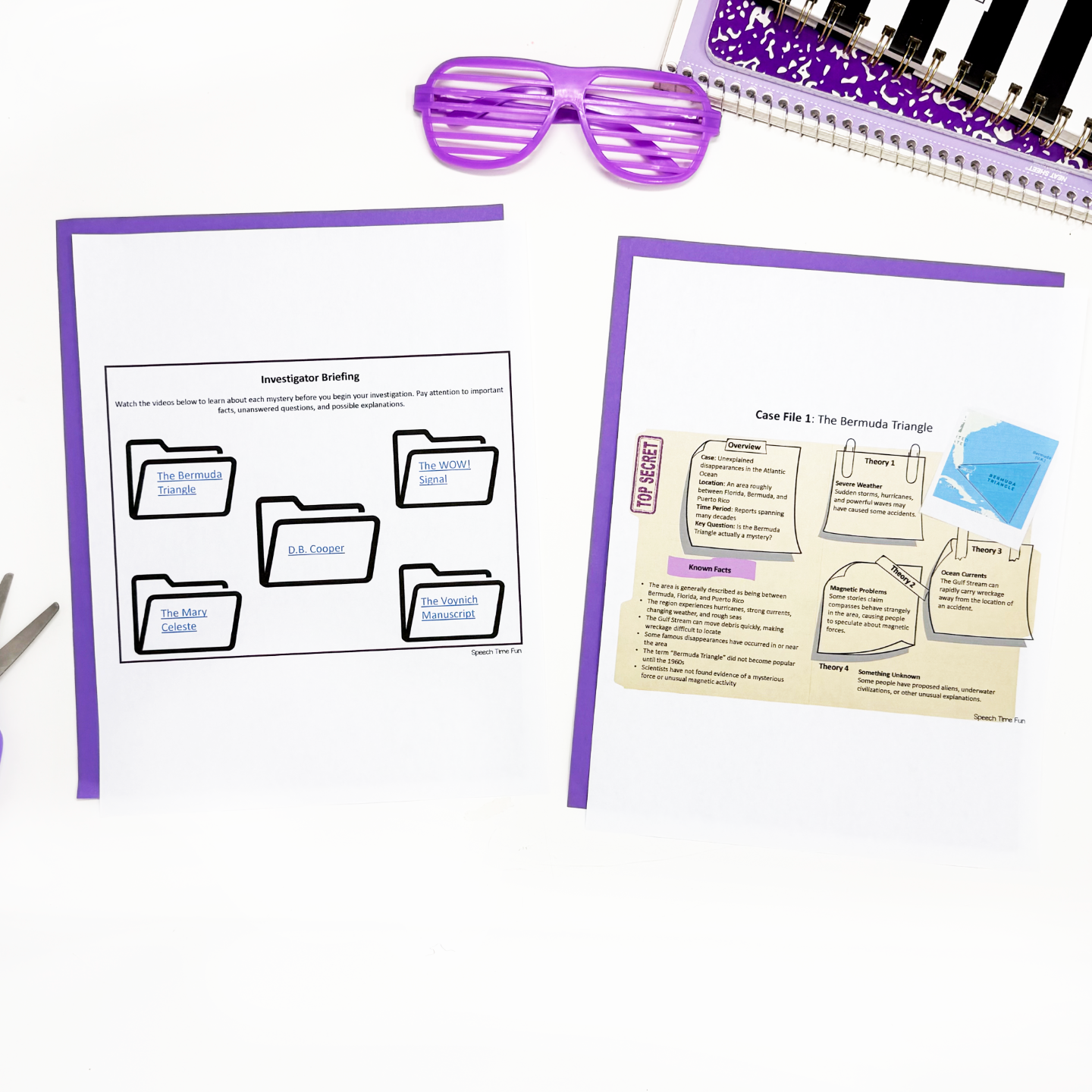
Turn students into investigators with five famous unexplained mysteries, including the Bermuda Triangle, Mary Celeste, D.B. Cooper, the Wow! Signal, and the Voynich Manuscript. Students analyze facts, compare competing theories, evaluate evidence, and develop and defend their own conclusions while targeting inferencing, critical thinking, perspective-taking, and evidence-based reasoning. It’s a high-interest way to show students that sometimes the goal isn’t finding the “right” answer—it’s using the evidence to explain and justify your thinking.

✨ New September Bonuses Are Here!
September is all about settling into routines, figuring out what your students really need, and finding resources that meet them where they are. This month's bonuses give you even more ways to support functional communication, academic language, AAC, and students who benefit from more structured support, all while keeping activities age-respectful and relevant for older students.
🍂 AAC Autumn Chat Mats: Real-Life Fall Conversations
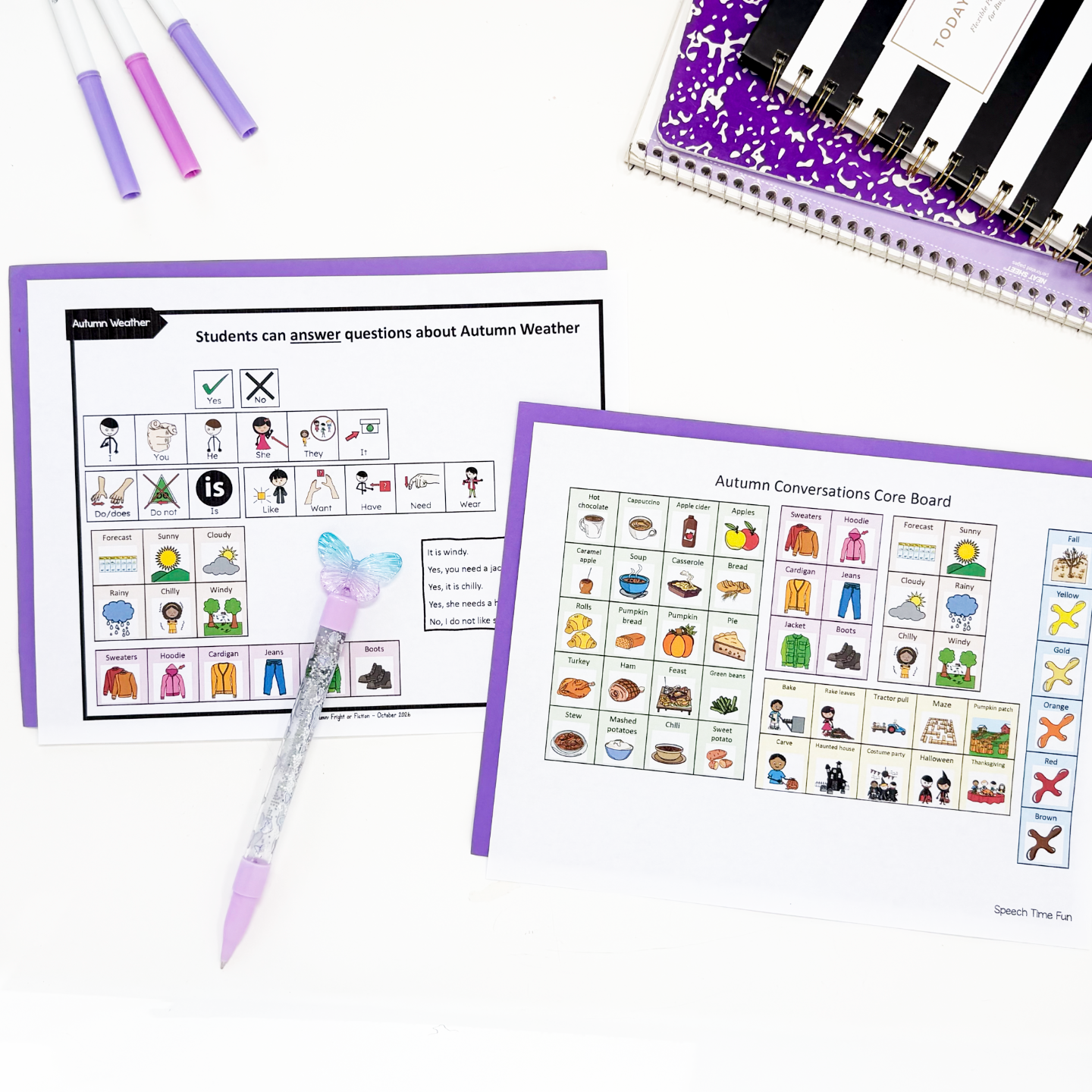
Bring fall into your AAC sessions with six high-school-friendly conversation mats focused on real-life topics like fall foods, clothing, school responsibilities, social events, weather, and personal favorites. With visual supports, core and fringe vocabulary, and guided prompts, students can practice requesting, commenting, describing, planning, expressing opinions, and participating in everyday conversations.
(Located in the AAC section of the Bonus page.)
🗣️ Self-Contained Classroom Resources
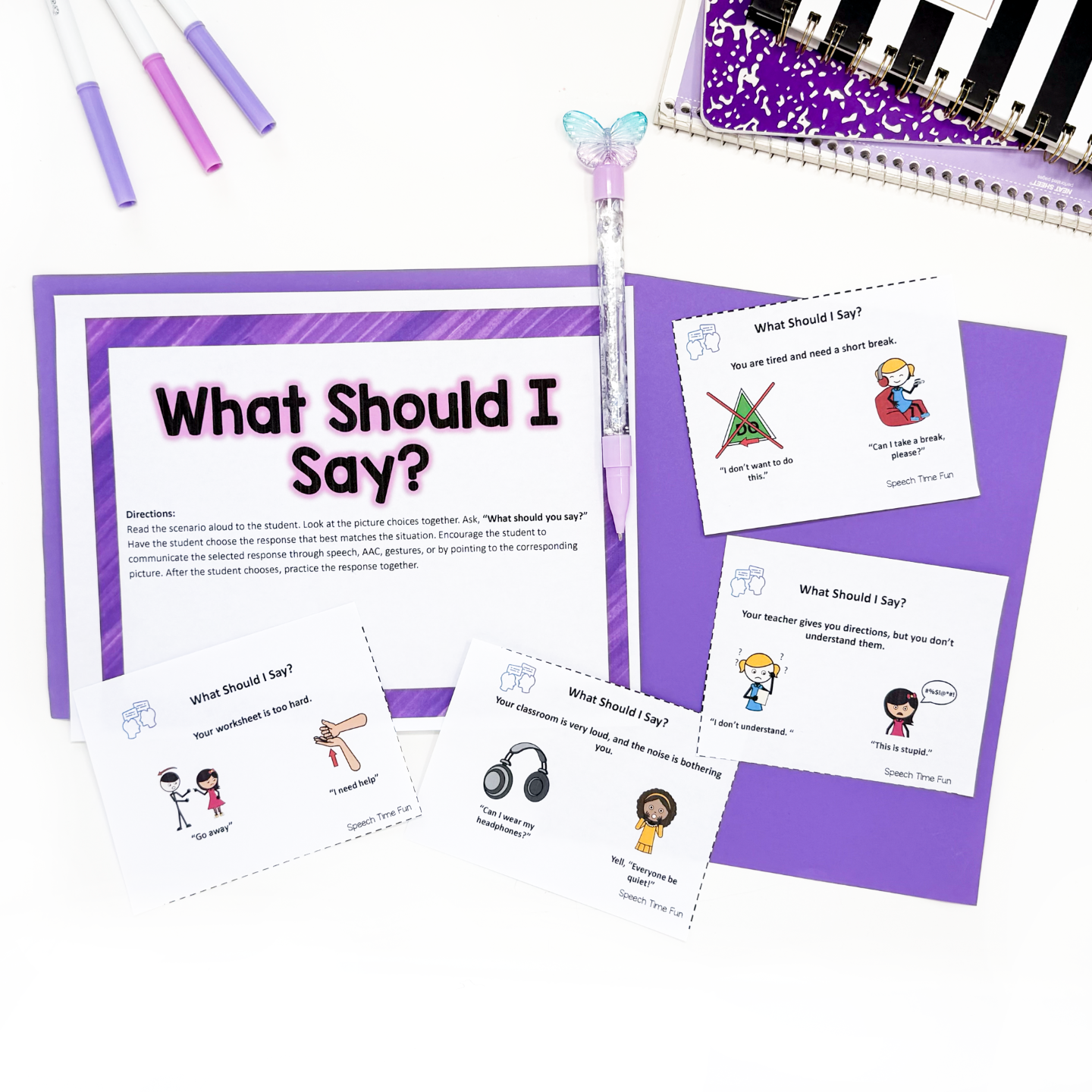
Support functional IEP goals with structured, ready-to-use activities designed specifically for students in self-contained classrooms. Target functional communication, executive functioning, daily routines, school and community navigation, self-advocacy, and concrete social skills with visual supports, choice-based activities, simple scripts, and AAC-friendly options that can be adapted for a variety of communication levels.
(Located in the Life Skills section of the Bonus page.)
🧠 Academic Language Lab: Morphology, Meaning & Sentence Structure
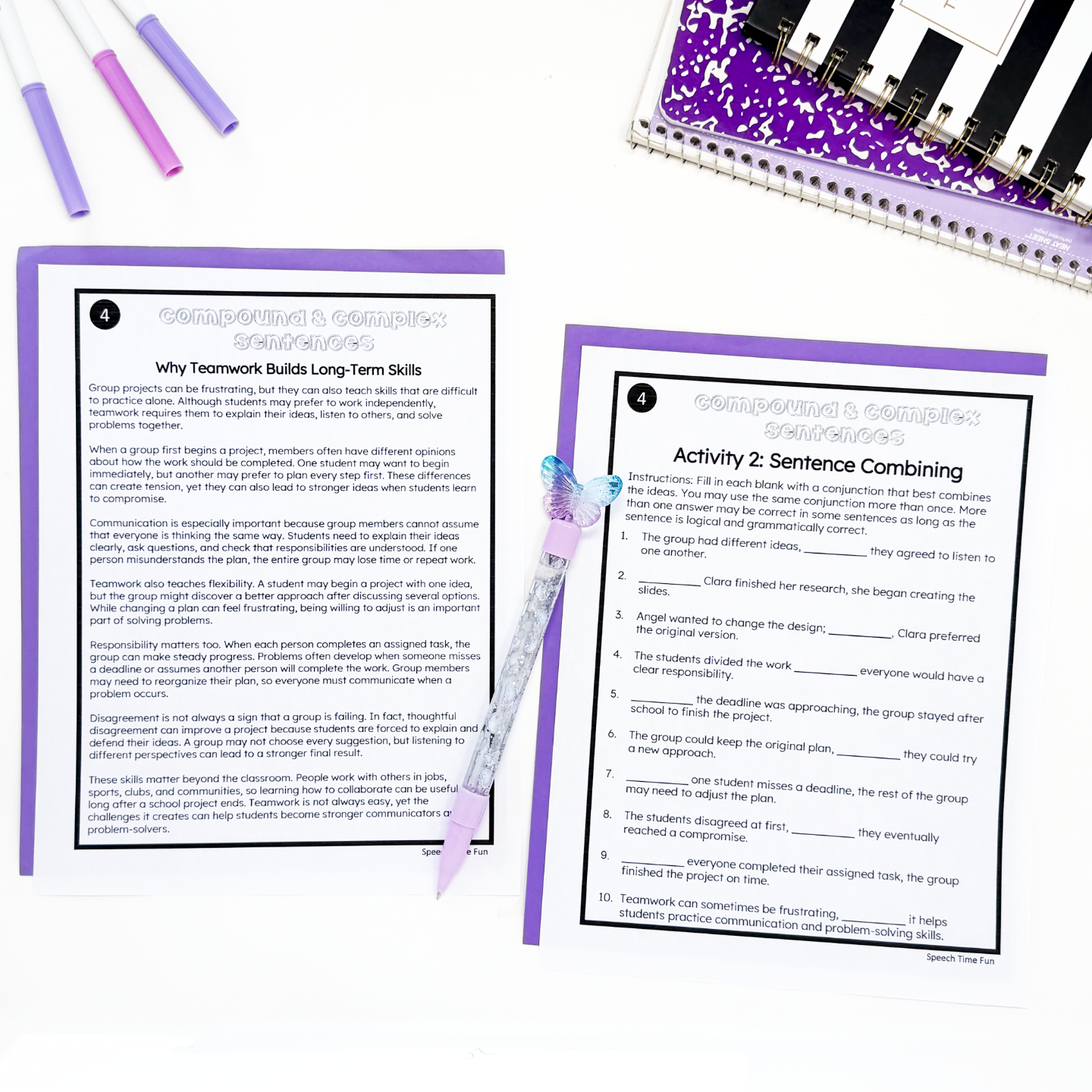
Take higher-level language skills beyond traditional therapy passages with short, age-appropriate articles that feel like something students might actually encounter in ELA, social studies, or a school magazine. Students can work on affixes and morphology, multiple-meaning words, context and language precision, and compound and complex sentences while building the academic language skills they need across the school day.
(Located in the Morphology section of the Bonus page.)
💡 Whether you're building functional communication, supporting AAC users, targeting academic language, or looking for more appropriate ways to meet the needs of students in self-contained classrooms, these September bonuses give you practical, age-respectful tools you can grab and use right away. 💜
AAC Autumn Chat Mats: Real-Life Fall Conversations
Bonuses → AAC
Academic Language Lab: Morphology, Meaning & Sentence Structure
Bonuses → Morphology
Self-Contained Classroom Resources
Bonuses → Life Skills

Up Next in SLP Elevate...
The coming few months are packed with exciting theme units that bring fresh ideas and student-approved fun. From new stories to ready to go activities, we’ve got tools that make therapy planning easier and sessions more memorable. Stay tuned - you won’t want to miss these!
November 2026

December 2026
January 2026

SLP Elevate Fall is bringing you exciting professional development sessions designed to help you feel more confident, supported, and ready to tackle your caseload!💜
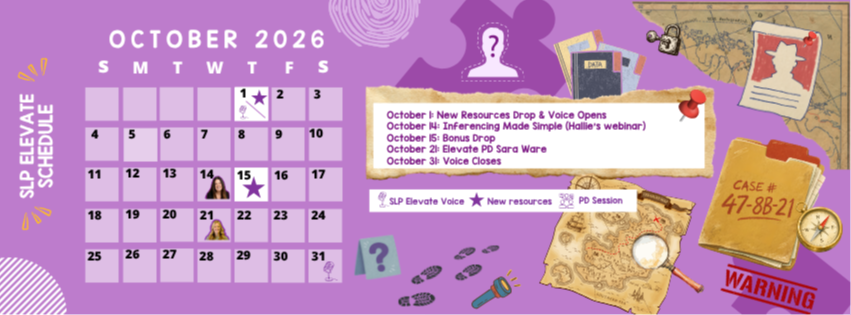
🎓 Looking Beyond Output: Enhancing Team-Based AAC Supports with Sara Ware M.A., CCC-SLP — Wednesday, October 21, 2026 | 6:30 PM – 7:30 PM ET
Keep an eye on your email for registration information and reminders for all upcoming Fall PD events! 💜



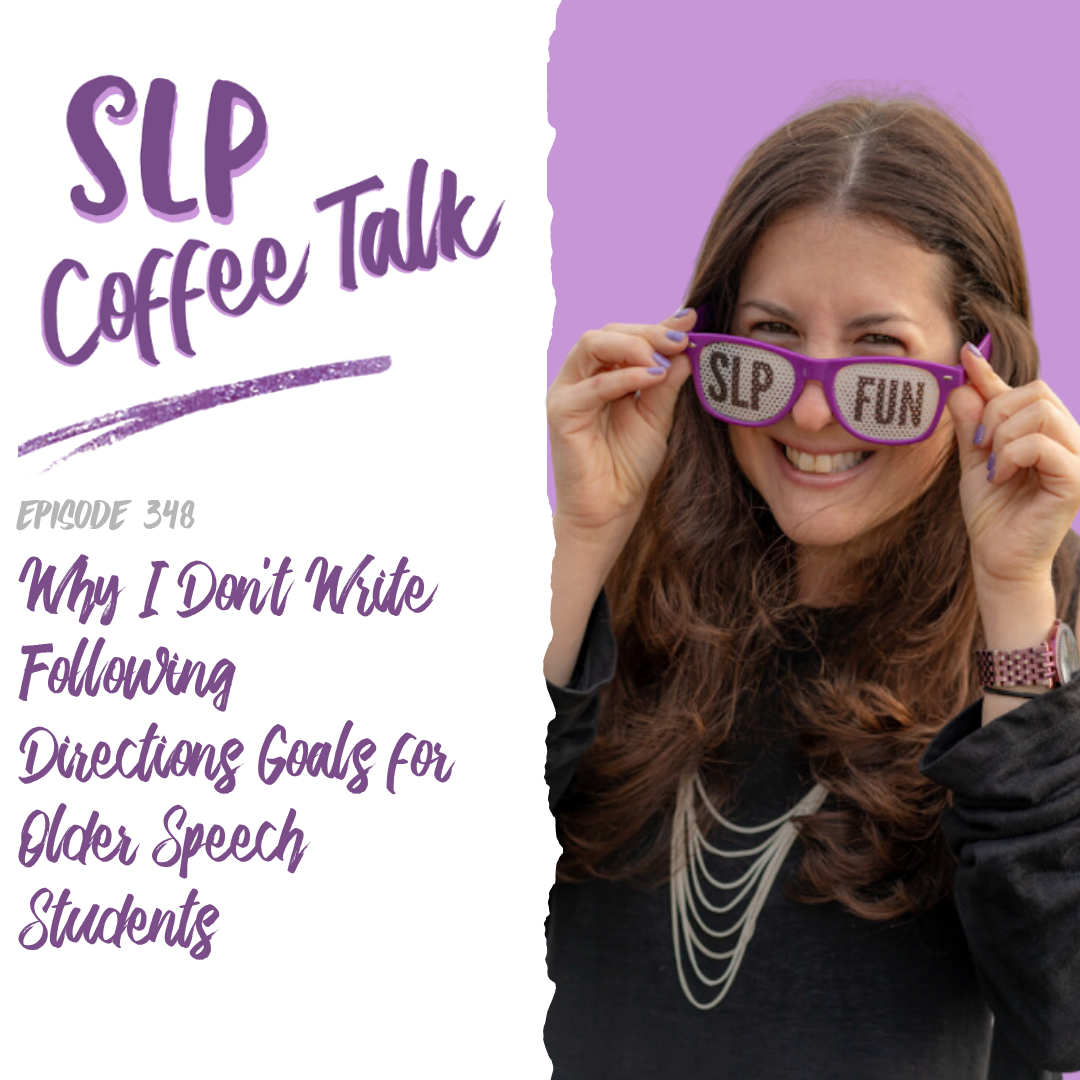
348: Why I Don't Write Following Directions Goals for Older Speech Students
347: Principles of Motor Learning in Articulation Intervention
346: Documenting Strengths-Based Therapy in a Goal-Driven System
345: Using One Activity With As Many Groups As Possible


From Hallie's Desk -
Hey Elevate Friends,
October is here, and there’s something about this time of year that makes a good mystery even more fun. 🔎
A strange sound.
A clue that doesn’t quite add up.
A story with more than one possible explanation.
A question nobody seems to have the answer to.
And suddenly... everyone has something to say. 😂
That’s exactly what inspired this month’s theme: Autumn: Fright or Fiction? 🔎✨
And no, this isn’t a Halloween unit.
Instead, we’re tapping into something our older students already love: mysteries, suspense, strange-but-true stories, unexplained events, and figuring out what really happened.
Think about all the language that happens when you're trying to solve a mystery.
What clues do we have?
What can we infer from them?
Which details actually matter?
What do you think happened next?
Which explanation makes the most sense?
Can you prove it?
Suddenly, we’re working on inferencing, predicting, summarizing, main idea, asking questions, perspective-taking, problem-solving, visualizing, and explaining our reasoning without it feeling like we’re drilling another skill.
And that's what I love most about this month's resources.
There isn't always one obvious answer.
Students have to slow down, notice the details, consider different possibilities, and explain why they think what they think.
That’s real communication.
Because outside of the speech room, our students aren't going to be handed a worksheet where every question has one clearly defined answer.
They're going to encounter confusing situations.
They're going to misunderstand things.
They're going to have incomplete information.
They're going to need to ask questions, look for clues, consider another person's perspective, and explain their thinking.
And sometimes, they might even change their minds when they get new information.
Those are the skills we’re really building.
So this October, don’t be afraid to leave a few questions unanswered.
Let your students wonder.
Let them come up with theories.
And most importantly, let them explain why.
Because sometimes the best therapy conversations start with three simple words:
“What do you think?” 💜
Here’s to less time searching for materials and more mysteries worth solving in your speech room. 🔎
Xoxo,
Hallie 💜